
How the United States Colonization Process Ratified the Concept of Birthright Citizenship
Historically, June is about Juneteenth, 2SLGBTQ+ Pride, Lakota Victory at the Battle of Greasy Grass (Little Bighorn), and the Supreme Court issuing rulings on important cases.
In Trump v. Barbara, the Supreme Court will rule on whether Donald Trump’s executive order (14,160), which seeks to end birthright citizenship for children born in the United States to parents without legal status.
Without getting too far into the weeds, we are familiar with the authoritarian talking points against birthright citizenship. They center on the falsehood that non-citizens who have children in the U.S. are doing so in unbelievable numbers and with such alarming frequency that no documentation or supporting evidence could possibly be collected. Additionally, the false belief is that parents of these children are scamming taxpayers.
None of that is true.
But rather than focus on legal armchair quarterbacking, it’s important to remember that Indigenous history and the government-to-government relationships that formed this country are the actual basis of citizenship and belonging in the United States.
U.S. immigration, birthright citizenship, and borders have never been about other people showing up at our doorstep, they’re about the United States eating up other people’s back yards and making promises it couldn’t keep.
The United States has a long and well-documented history of making treaties with tribal nations for the very land it now claims is exempt from the Citizenship Clause of the 14th Amendment to the U.S. Constitution. Additionally, tribal law and treaty-making has actually reinforced the 14th Amendment through the Reconstruction Treaties, wherein the slave-owning “Five Civilized Tribes” were forced to emancipate their slaves and grant them dual citizenship.
Here is a brief summary of historical treaties signed in June that are the basis of modern citizenship, immigration, land bases,
June 1744
Treaty of Lancaster: A historic agreement between the colonies of Virginia, Maryland, Pennsylvania, and the Six Nations (Iroquois Confederacy) that addressed western land claims.
June 11, 1855
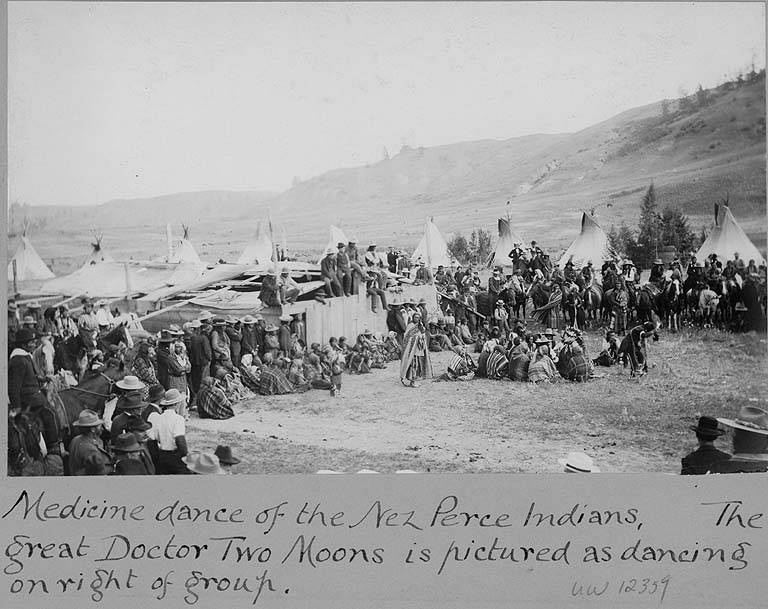
Treaty with the Nez Perce: An expansive treaty signed in the Washington Territory where the Nez Perce ceded approximately 7.5 million acres while reserving a specific homeland for themselves.
June 14, 1866
Reconstruction Treaties: The U.S. government signed a series of treaties with the Five Tribes (including the Creek Nation) in Washington, D.C. These treaties required the tribes to emancipate enslaved individuals and grant them tribal citizenship rights.
June 16, 1820
Treaty with the Chippewa at Sault Ste. Marie (June 16, 1820): Negotiated by Lewis Cass, the Anishinaabe ceded a tract of land in Michigan to allow for the establishment of a military post.
June 30, 1802
Treaty of the Six Nations at Buffalo Creek: An agreement where the Seneca ceded specific lands and established ongoing annuities.


Leave a Reply